
Have you ever received a call or message that looked like it was from your bank or a trusted company - but turned out to be a scam?That’s mobile number spoofing in action.
Spoofing allows scammers to disguise their real number and make it appear as if the message or call is coming from someone you trust. It’s one of the most dangerous forms of digital deception.
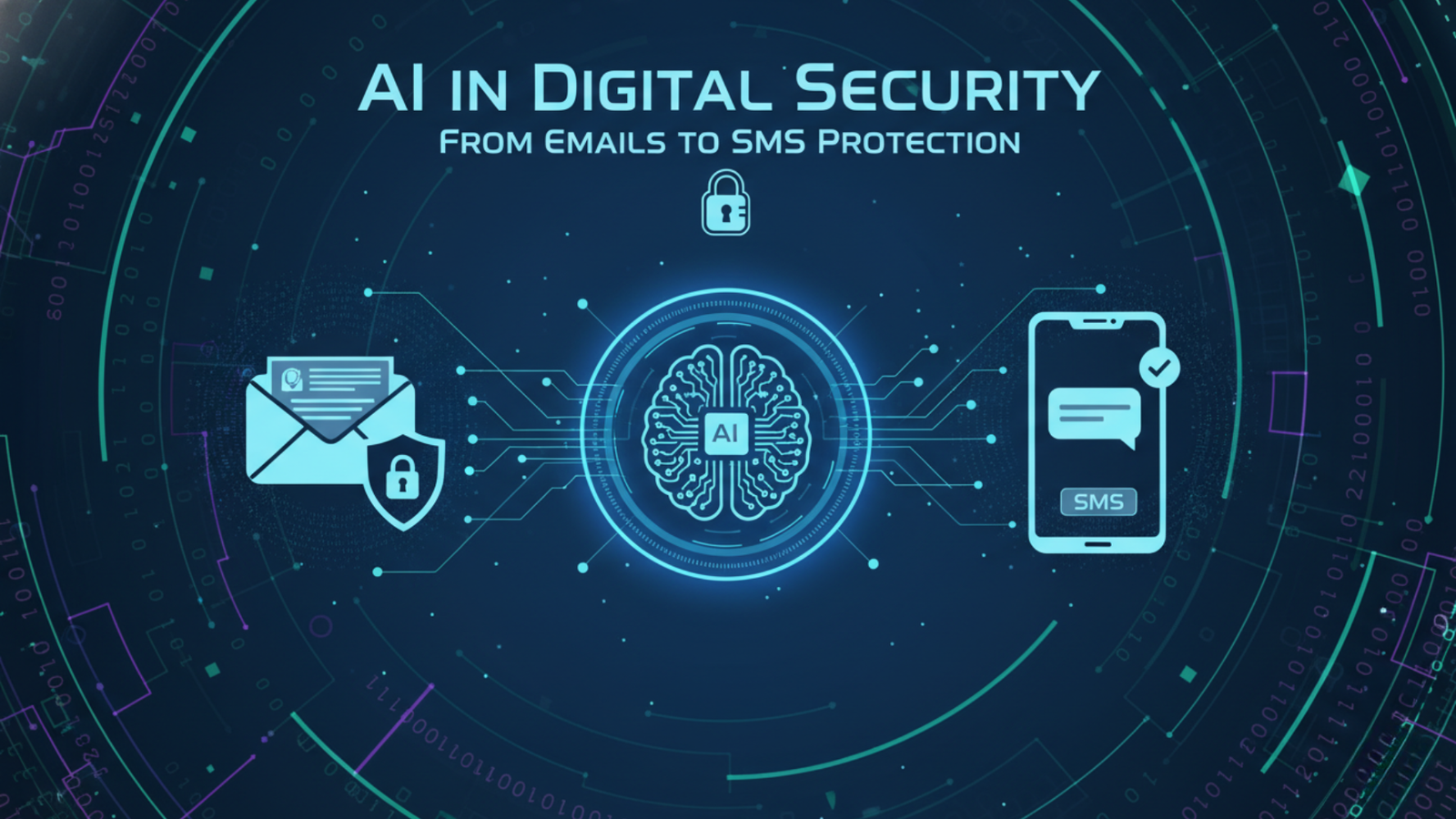
Luckily, AI-powered spoofing prevention tools like TrueSender are transforming how users protect themselves. In this blog, we’ll uncover how AI detects, analyzes, and blocks spoofed numbers to keep your inbox - and your data - safe.
What is Mobile Number Spoofing?
Mobile number spoofing happens when scammers manipulate the caller ID or sender ID to make it look like a legitimate source — such as your bank, courier, or payment service.
Their goal? To trick you into sharing OTPs, passwords, or personal details.
Common Examples of Spoofing:
Fake bank SMS claiming “urgent verification required”
Calls that appear from your telecom provider
Fake delivery messages using real company names
Payment fraud links disguised as “refund requests”
Spoofing is difficult to detect manually, but that’s where AI makes a difference.
How AI Detects Spoofed Numbers
AI analyzes massive amounts of communication data in real time to identify patterns and anomalies that humans can’t see.
AI Detection Techniques:
Sender Verification:
AI cross-checks the sender’s digital fingerprint with verified databases.Message Pattern Recognition:
It studies tone, structure, and word patterns to identify spoofing attempts.Behavioral Analysis:
AI observes sending frequency and timing to detect automated scam campaigns.Reputation Scoring:
Every sender gets a trust score - high-risk numbers are flagged instantly.
These methods ensure spoofed messages are blocked before they reach your primary inbox.
AI vs Traditional Spoofing Protection
AI doesn’t just react to spoofing - it predicts it before it happens.
How TrueSender Prevents Number Spoofing
The TrueSender App uses advanced AI algorithms and threat intelligence to safeguard users from fake sender IDs and scam numbers.
TrueSender’s Key Spoofing Protection Features:
AI-driven sender verification
Automatic blocking of suspicious numbers
Real-time alerts for spoofing attempts
Continuous learning from global threat data
AI adapts with every new scam pattern
With TrueSender, you’ll always know which messages are real - and which ones to ignore.
Why AI is the Future of Spoofing Prevention
Scammers are now using AI themselves to make their fake messages more convincing. That means users need smarter AI to fight back.
AI-driven apps like TrueSender continuously evolve, using global datasets to stay one step ahead of spoofing attacks.
This ensures your identity, money, and trust stay protected - no matter how scams evolve.
Conclusion
Mobile number spoofing is one of the most deceptive digital threats - but with AI-powered protection, you can stay secure effortlessly.
TrueSender’s AI technology detects fake numbers, filters dangerous messages, and ensures you only receive genuine communication from trusted sources.
In short: AI makes spoofing impossible to fool you.