
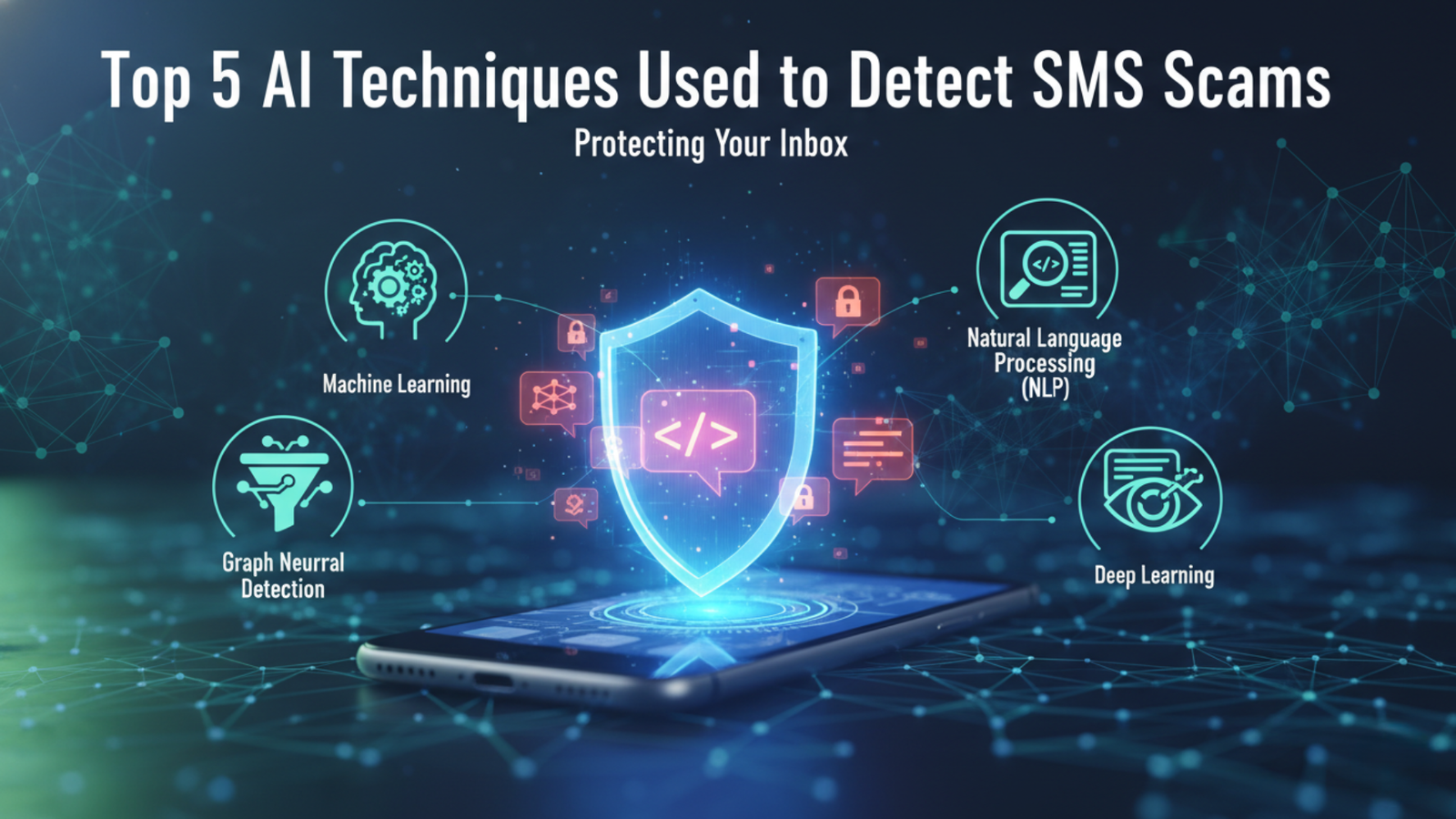
Every day, millions of users around the world receive fraudulent calls and scam messages. From fake loan offers to phishing OTPs, these scams exploit telecom networks to reach victims.
But the good news? Telecom carriers are fighting back - using Artificial Intelligence (AI) to detect, block, and eliminate these threats before they reach users.
In this blog, we’ll explore how AI is transforming telecom security, how it detects scam patterns in real time, and how apps like TrueSender add an extra layer of protection for users everywhere.
Why Telecom Security Needs AI
Telecom networks are massive and complex - processing billions of messages, calls, and data transactions daily. Traditional rule-based systems can’t keep up with modern scams that evolve every minute.
AI changes the game by offering real-time detection, pattern recognition, and adaptive learning.
Key Reasons Telecoms Use AI:
Real-time monitoring of billions of interactions
Pattern learning from global data
Proactive scam blocking instead of reactive filtering
Fast adaptation to new scam tactics
AI doesn’t just react - it predicts and prevents fraud before it happens.
How AI Detects and Blocks Scams in Telecom Networks
Telecom AI systems work like intelligent watchdogs - constantly analyzing traffic for irregularities.
AI Detection Process:
Anomaly Detection: AI identifies unusual calling or messaging patterns that don’t match normal user behavior.
Sender Reputation Tracking: Numbers and sender IDs are given trust scores; suspicious ones are quarantined.
Natural Language Processing (NLP): AI reads message content to detect scam intent, emotional triggers, or fake links.
Network-Wide Learning: Every scam blocked improves the system’s intelligence across the entire carrier network.
This makes telecom networks smarter and more secure over time.
Real-World Example - AI vs Scam Campaigns
When a new phishing campaign starts, AI-powered telecom systems can detect it within minutes.
For instance, if thousands of messages with the same suspicious pattern are sent from multiple devices, AI instantly identifies the trend and blocks all related sources.
This network-level protection prevents millions of potential victims from ever seeing the scam.
AI’s Role in Voice and SMS Protection
AI isn’t just for SMS - it’s also crucial in protecting voice calls.
AI in Voice Call Security:
Detects robocalls and spam patterns
Identifies spoofed caller IDs
Uses voiceprint analysis to track fraud networks
AI in SMS Security:
Filters fake OTPs and phishing texts
Blocks malicious URLs automatically
Analyzes message intent in milliseconds
With both SMS and voice under AI protection, users enjoy complete communication security.
How TrueSender Complements Telecom AI Systems
While telecom companies protect the network, TrueSender protects your device.
TrueSender’s Role in AI-Powered Telecom Security:
Filters messages directly on your phone
Works even when telecom filters miss something
Learns from real user reports for better accuracy
Uses device-level AI to detect scam links and patterns
Together, telecom AI + TrueSender AI create a two-layer defense system that keeps you fully protected from scams.
The Future of AI in Telecom Security
Telecom AI is evolving fast. Future networks will have autonomous AI-driven security layers that automatically detect, report, and neutralize new threats within seconds.
TrueSender is designed to grow alongside these systems - integrating next-gen AI intelligence to deliver real-time protection at both network and user levels.
Conclusion
AI is revolutionizing how telecom companies protect users from fraud. From analyzing message intent to blocking spoofed calls, AI-driven telecom security is making mobile communication safer than ever.
And with TrueSender’s AI companion, your device becomes an active part of that defense - ensuring complete protection from every angle.